

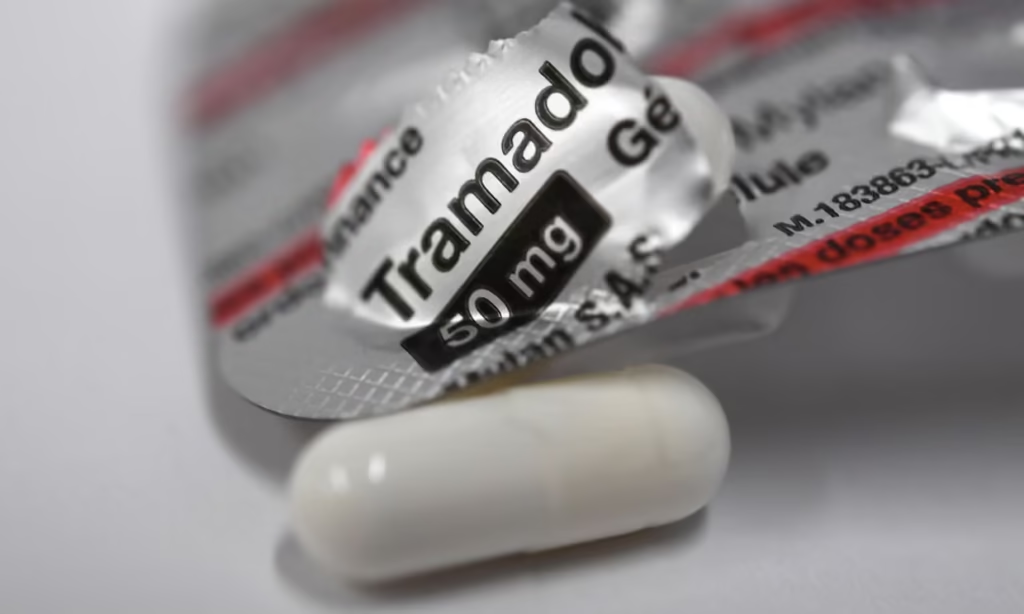
Tramadol is one type of opioid analgesic. Photograph: Fred Tanneau/AFP/Getty Images
Drug Use as a Tool for Working Longer
One worker explained the routine preparation required before entering the mining site “Before I come here, I have to make sure I take something to give me energy until the end of the day.” This shows that taking drugs can become a regular part of the workday. For these miners, the drug is not for enjoyment. They use it to help them get through long, difficult hours at work.
Another miner described the same routine even more directly “When I have breakfast, I take a drug. If I don’t take the drug I can’t work.” This example shows that some workers feel they cannot do their jobs without the drug. For them, using it is part of how they get through each day, not just an added choice.
When asked what type of substance they used, one participant responded: “I use pills.” These stories from miners are similar to what researchers have found elsewhere. Many workers use tramadol to fight tiredness and improve their work. Because tramadol is cheap and easy to get, it is common among people who do hard jobs for low pay. Researchers note that because tramadol is cheap and easy to get, some people call it ‘the cocaine of the poor.’ Workers can buy it without a prescription in shops or on the street. This makes it popular among people who cannot afford a doctor or safer medicine.
Courage, Fear, and the Dangerous Nature of Mining
Mining is not only hard on the body, but also stressful and frightening. Workers go down into unsafe pits, dig in cramped spaces, and always face the risk of accidents like cave-ins or landslides.
Several interviewees described how drugs help them overcome the fear associated with these dangerous conditions.
One miner explained: “The drug gives us courage to go down there and dig.”
This shows that tramadol is not only used for physical pain. It also helps workers manage fear. By making pain and fear feel less intense, the drug allows people to do jobs that might otherwise seem too risky or difficult. Another worker emphasized how essential the substance had become for performing the work: “What helps us the most is when we use the drug. If we don’t use the drug, I don’t think we would be able to do it.”These stories show that drug use can become a normal part of work. If workers feel they need drugs just to do their jobs, it suggests there are deeper problems with the way the work is organized.
Health Risks and Consequences
While tramadol may help workers feel better for a short time, it can cause serious health problems over time. Studies show that using tramadol without a doctor’s prescription can lead to illness, addiction, withdrawal symptoms, and other health issues. People who misuse tramadol often feel dizzy, get headaches, feel sick, vomit, have muscle pain, or even have seizures. Sometimes these problems are so severe that they need hospital care.
These health risks are even more dangerous for miners. They work in deep pits and use heavy tools. If a worker feels dizzy or cannot move well, accidents are more likely to happen.
Repeated use of tramadol can lead to dependence. Over time, some workers feel they cannot work unless they take the drug. This often happens when people use tramadol to manage pain or to keep working every day.
If someone tries to stop taking tramadol, they might have trouble sleeping, feel anxious, become very tired, or experience a lot of pain. These problems make it hard for workers to quit the drug, even if they want to.
Tramadol misuse can also cause bigger problems in the community. It can lead to risky behavior, mental health struggles, and people being judged or excluded by others.
Structural Causes of Drug Use
It is important to remember that drug use in mining is not just a personal choice. It is also shaped by the difficult economic and social conditions workers face.
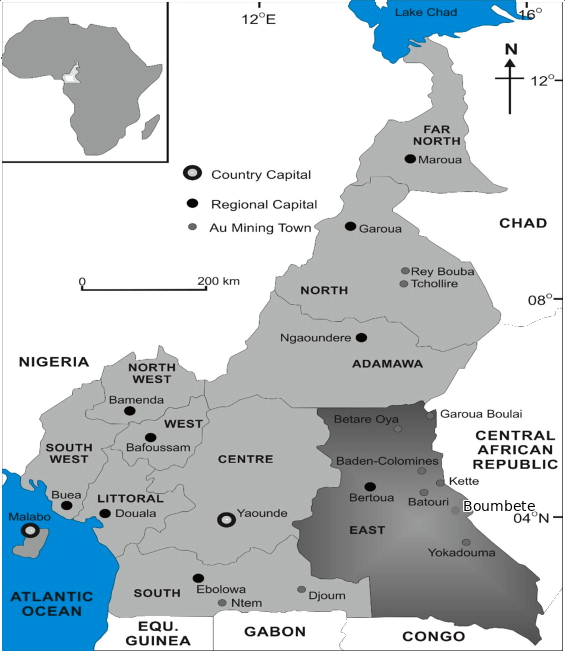
Mining in Eastern Cameroon is often part of the informal economy. Workers typically receive little protection, few safety regulations, and minimal access to healthcare. Income is highly uncertain and depends largely on the amount of gold discovered during a given day.
Because of these difficult conditions, workers often feel they must push themselves too hard to earn money for their families. Drugs like tramadol become a way to cope with the stress and pain of trying to survive every day.
Researchers point out that non medical tramadol use is a complex problem with economic, social, and political causes. Solving it takes more than just discouraging drug use. It also means improving working conditions, strengthening labor protections, and creating more economic opportunities for young people in mining areas.
Implications for Youth Exploitation Watch
Stories from miners reveal that labor exploitation in mining communities is more complex than it seems. Drug use is not only a health issue but is also tied to how work is structured. Some miners turn to drugs to handle long hours or dangerous work. This suggests that drug use often stems from job pressures and risks, rather than just personal decisions. This is important because it impacts young workers’ well-being and makes it even harder for them to break free from exploitation.
Projects like Youth Exploitation Watch aim to show what life is really like for young workers in the mining industry. By combining interviews and research, the project explains how work, health, and financial problems all connect in these communities. The testimonies of miners show that substance use is often a response to the harsh realities of their work, not just a personal choice. Understanding this context is key to finding solutions that protect both workers’ health and rights in Cameroon’s mining regions.
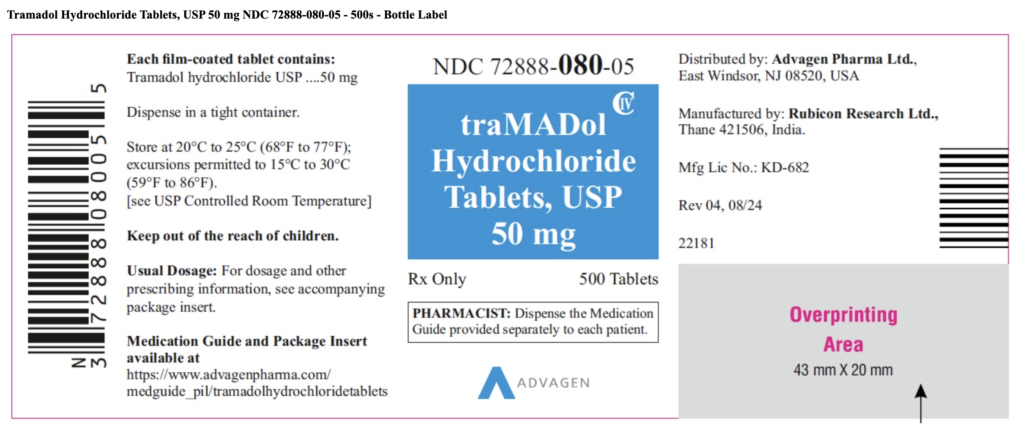
Tramadol hydrochloride tablet bottle label (50 mg), distributed by Advagen Pharma Ltd. Source: DailyMed, U.S. National Library of Medicine.