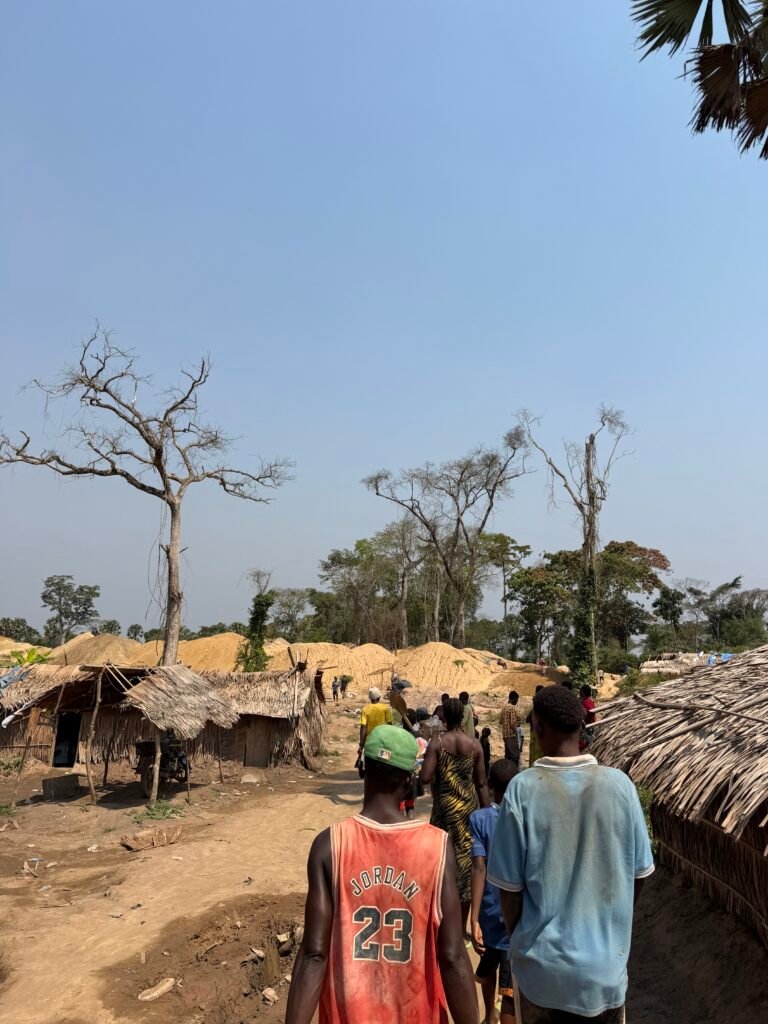
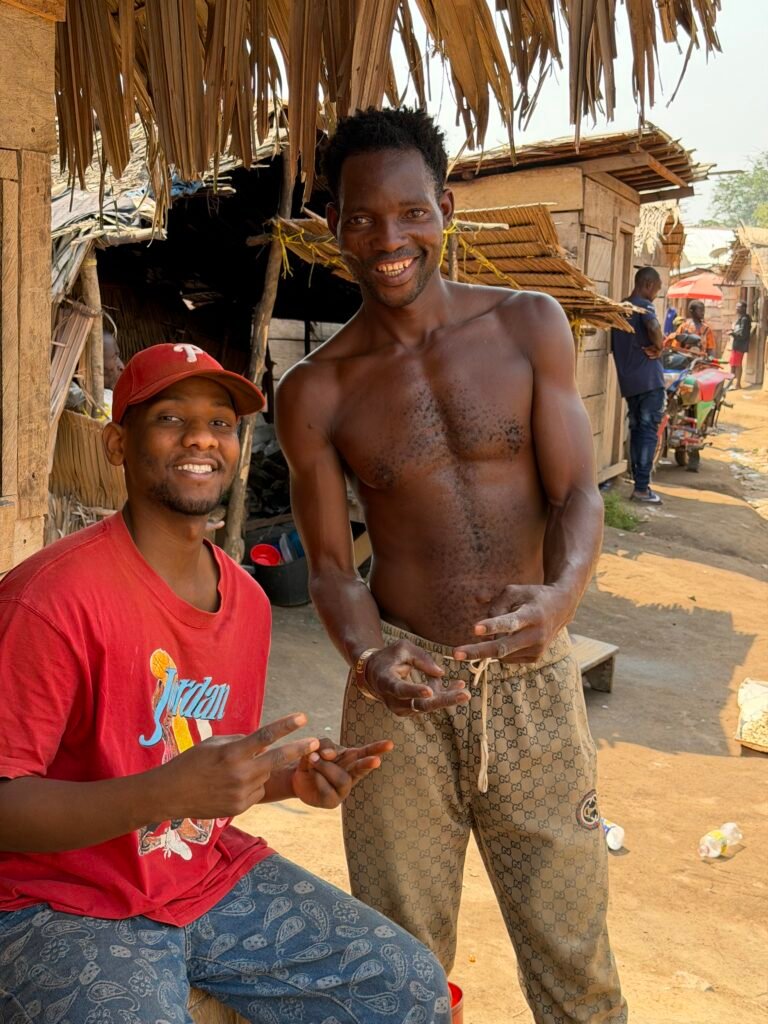
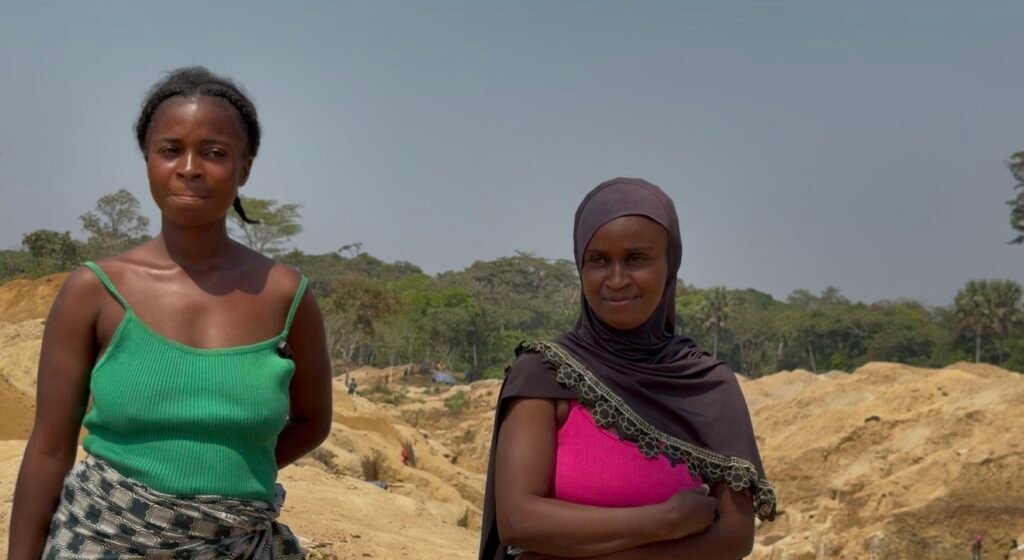
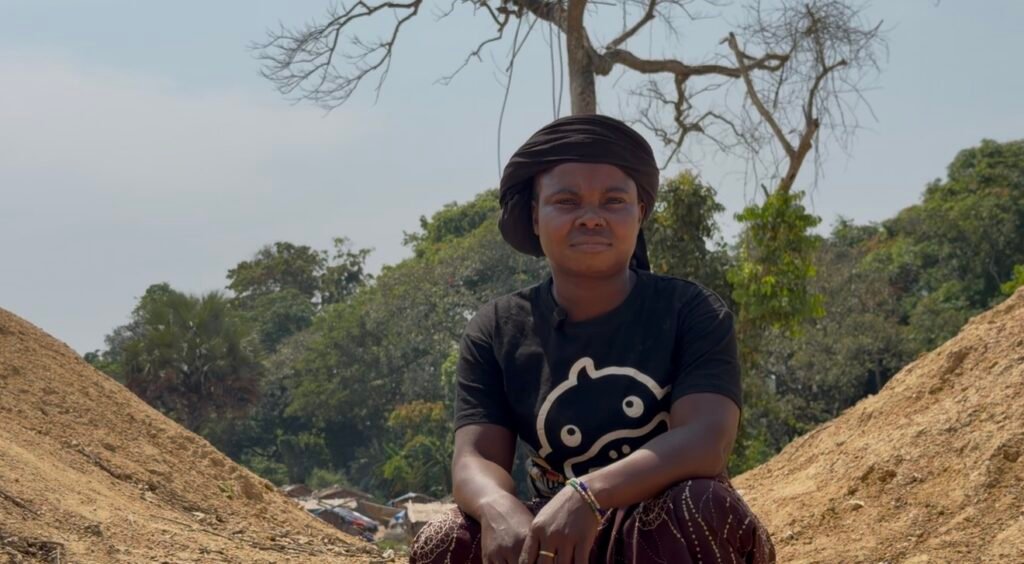
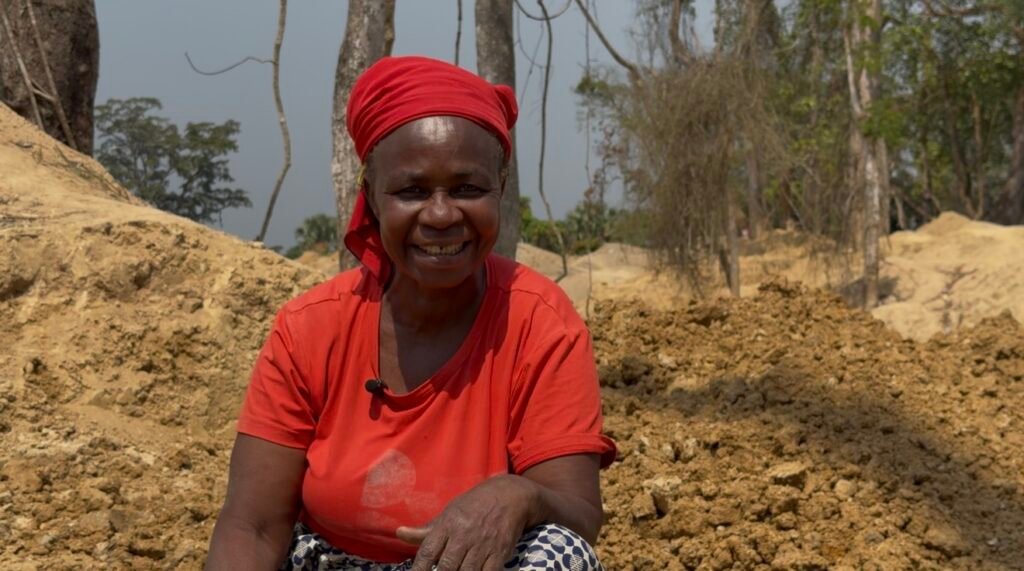
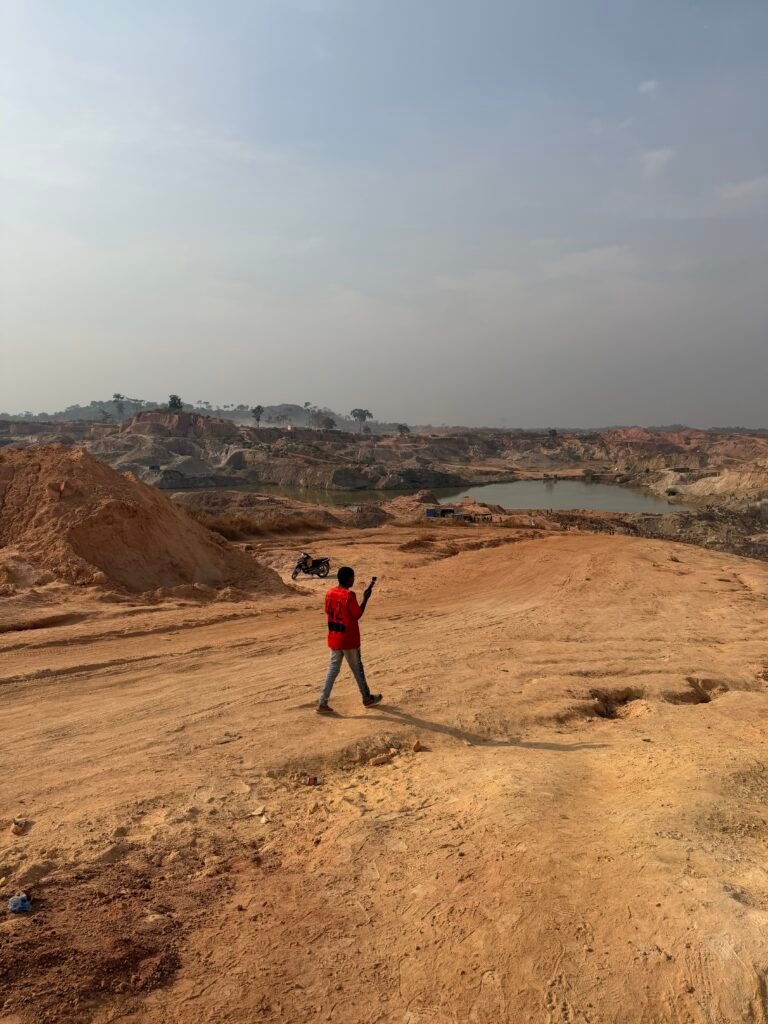
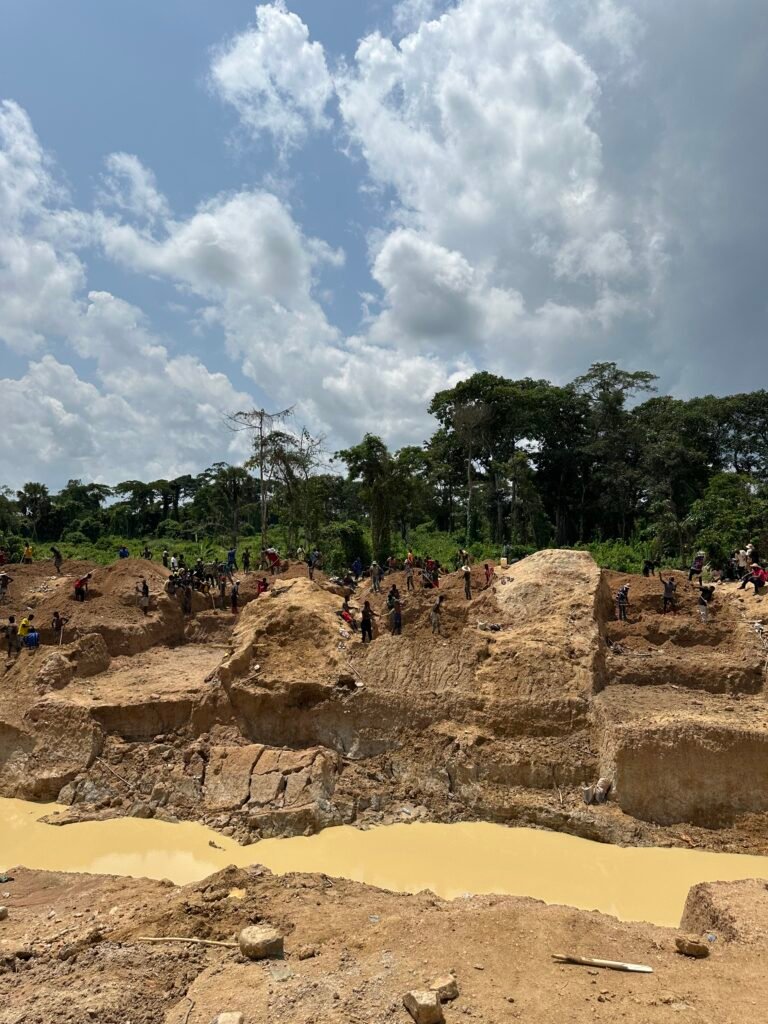
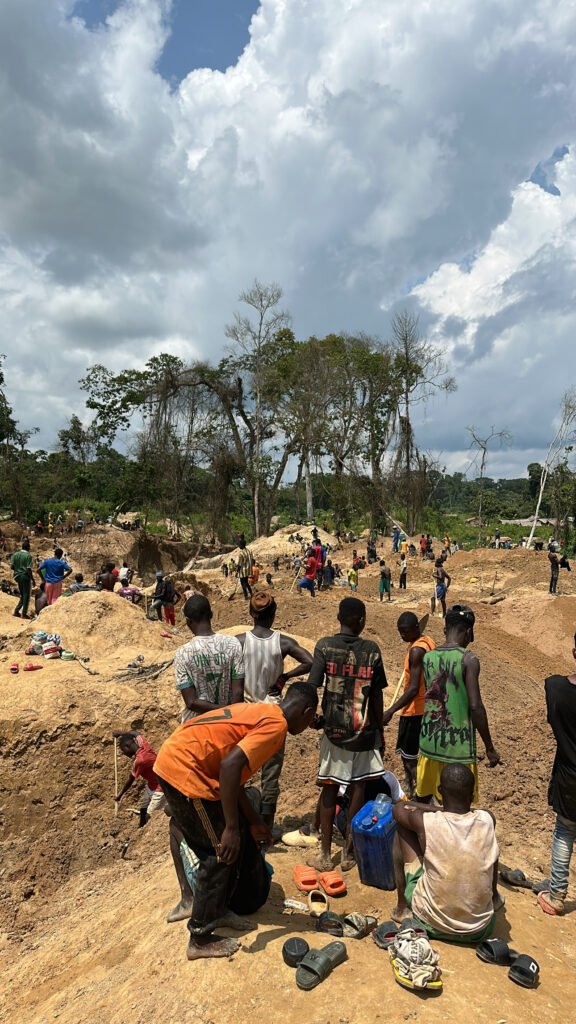
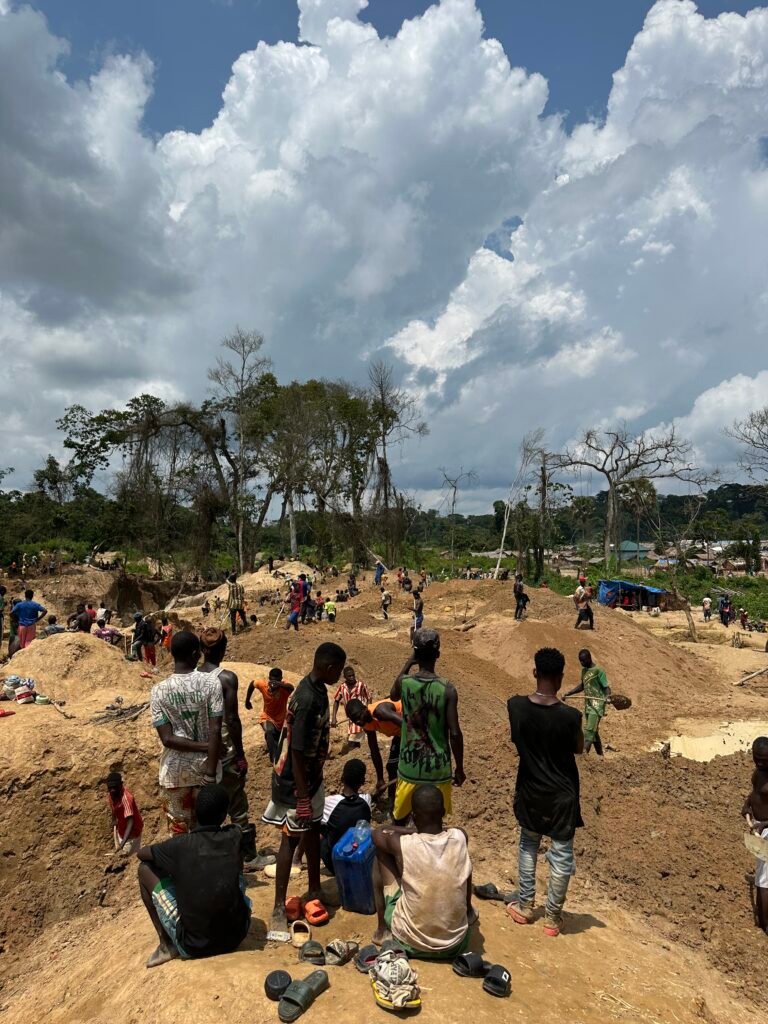
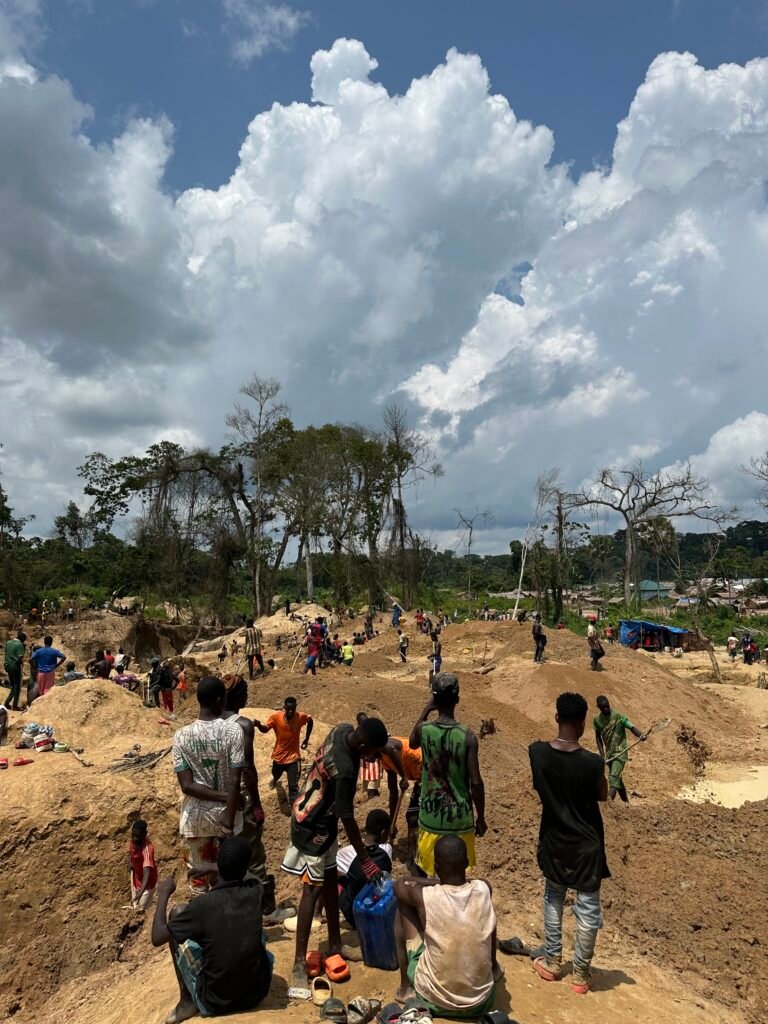
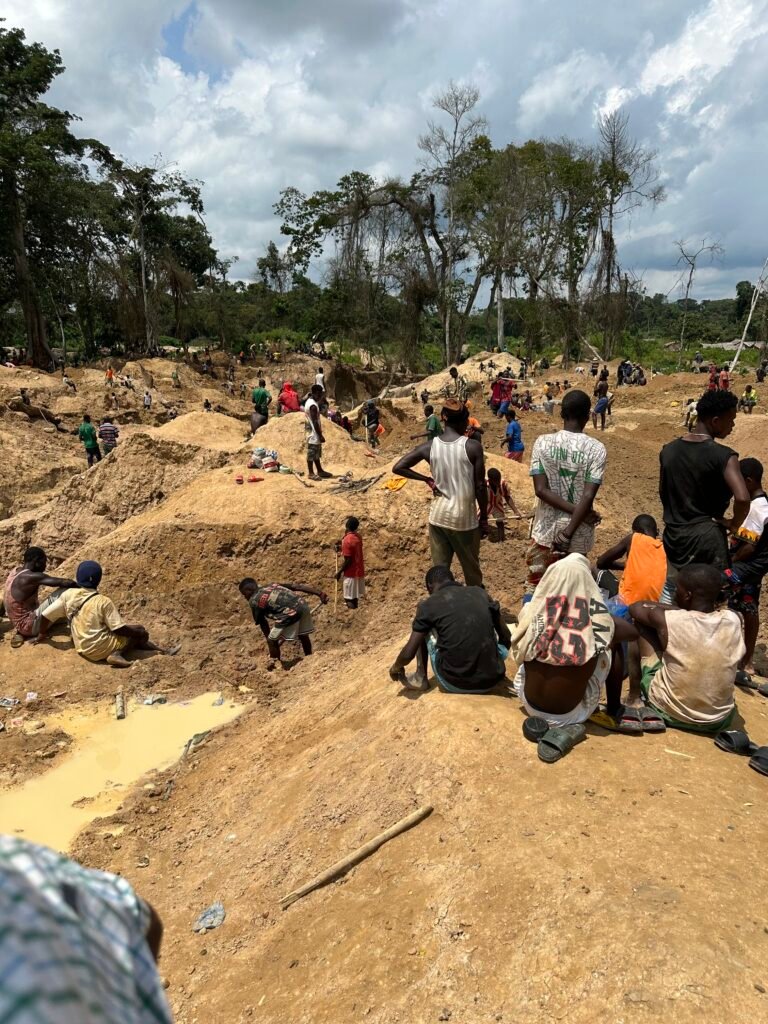
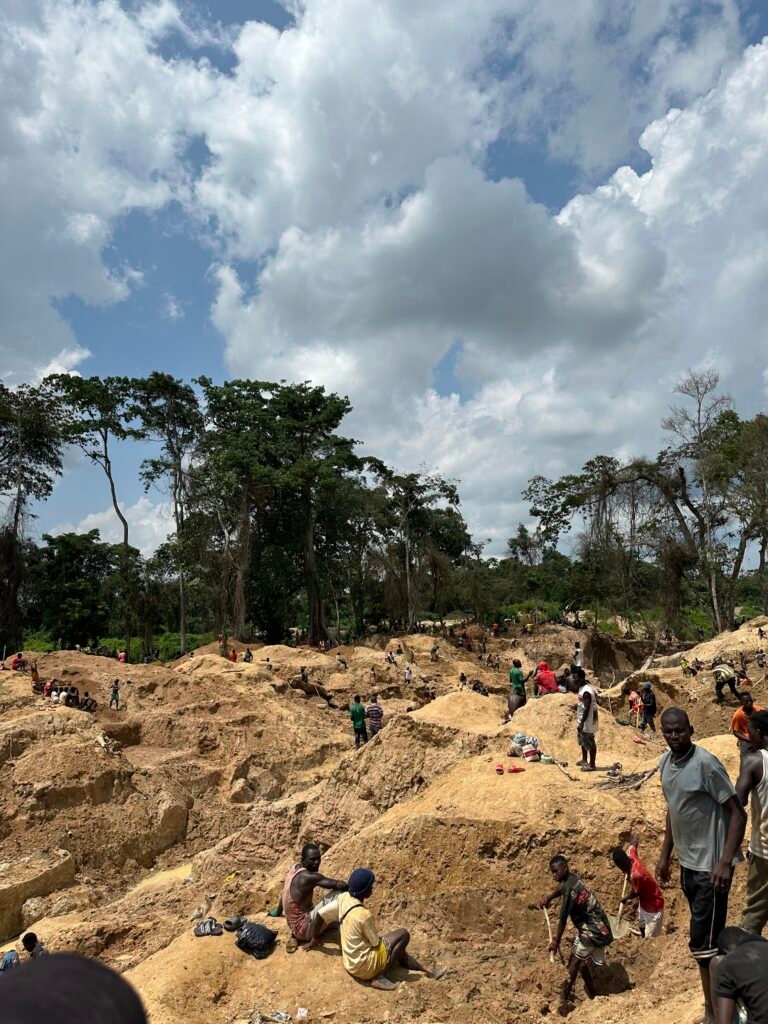
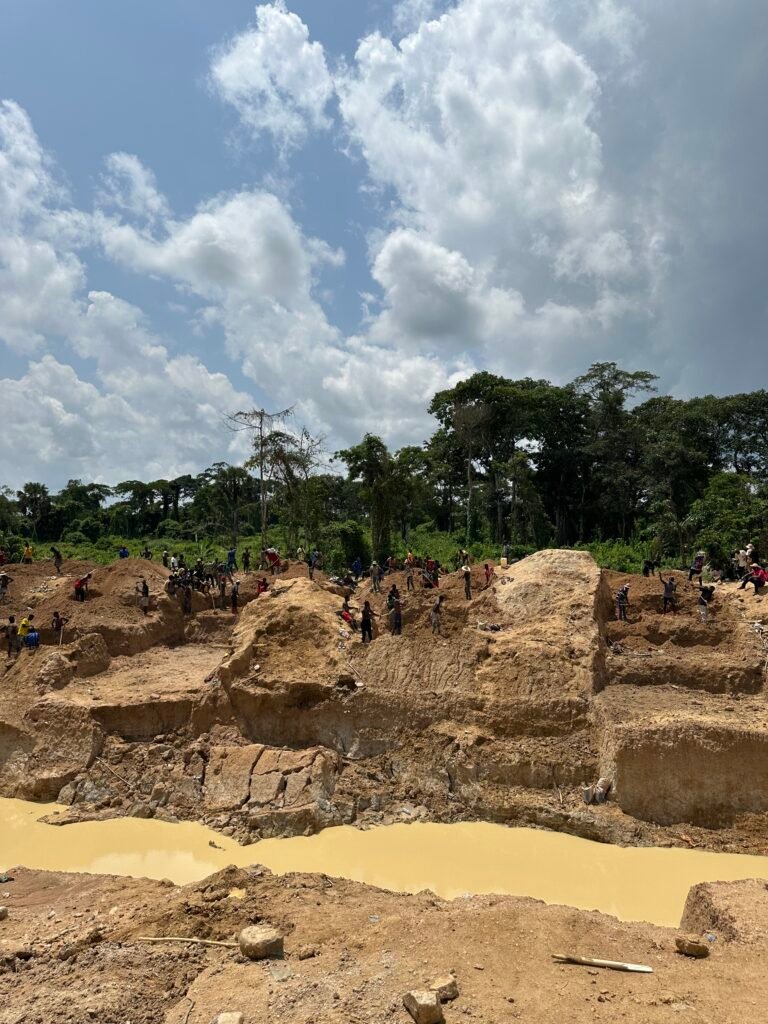
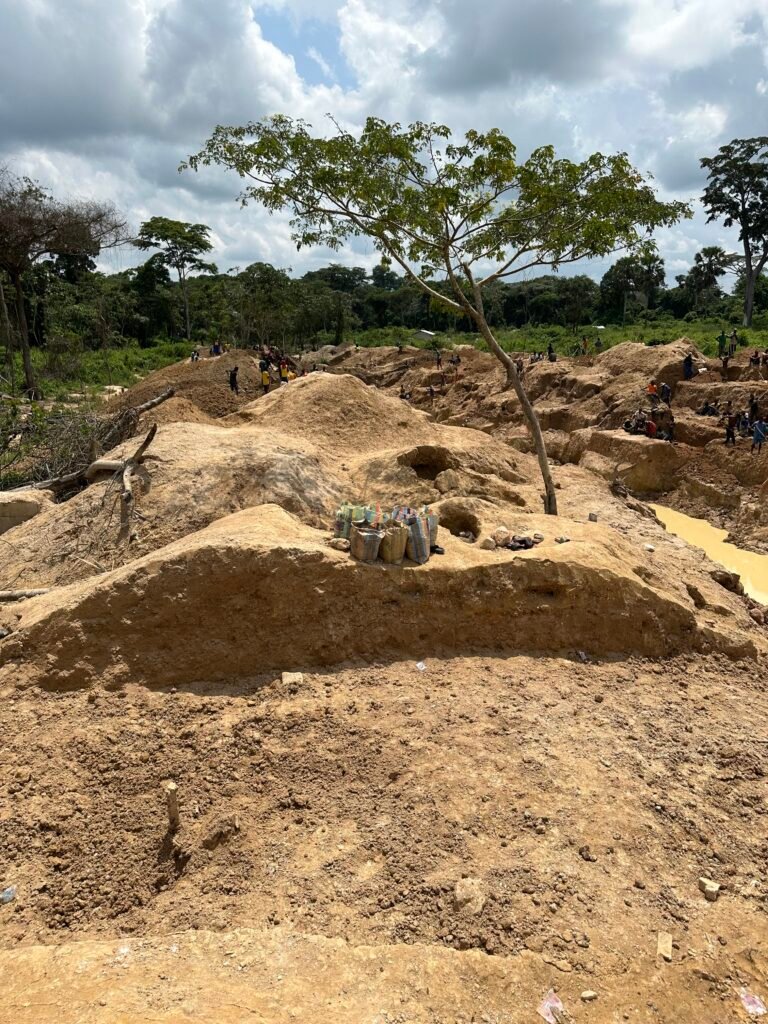
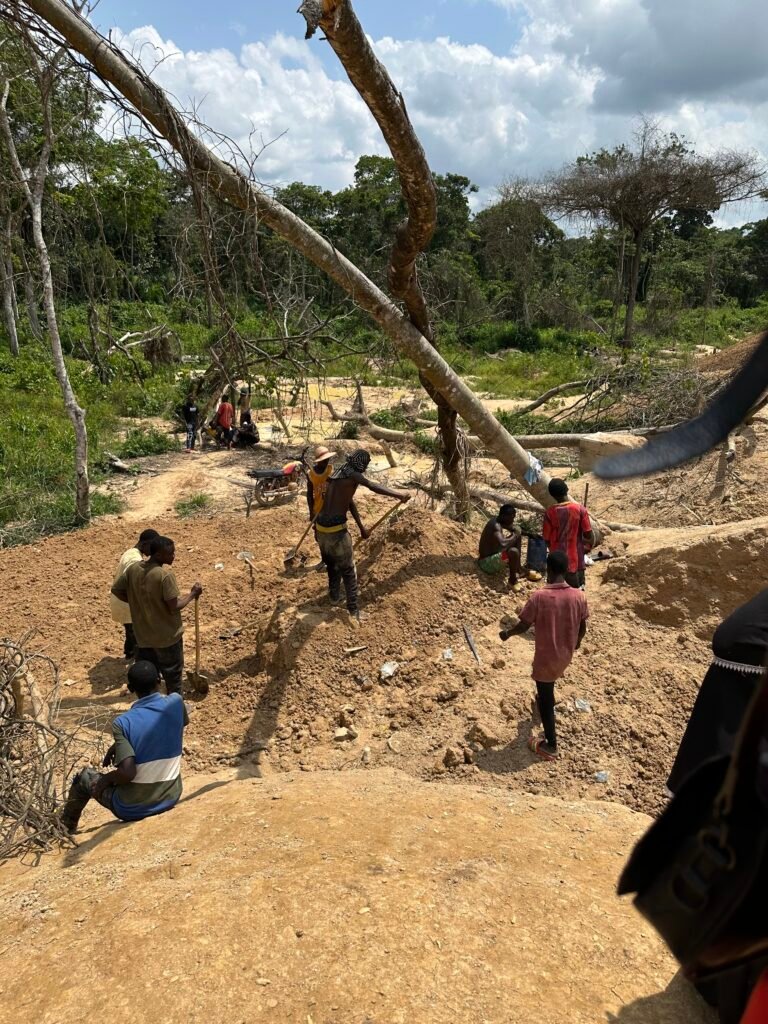
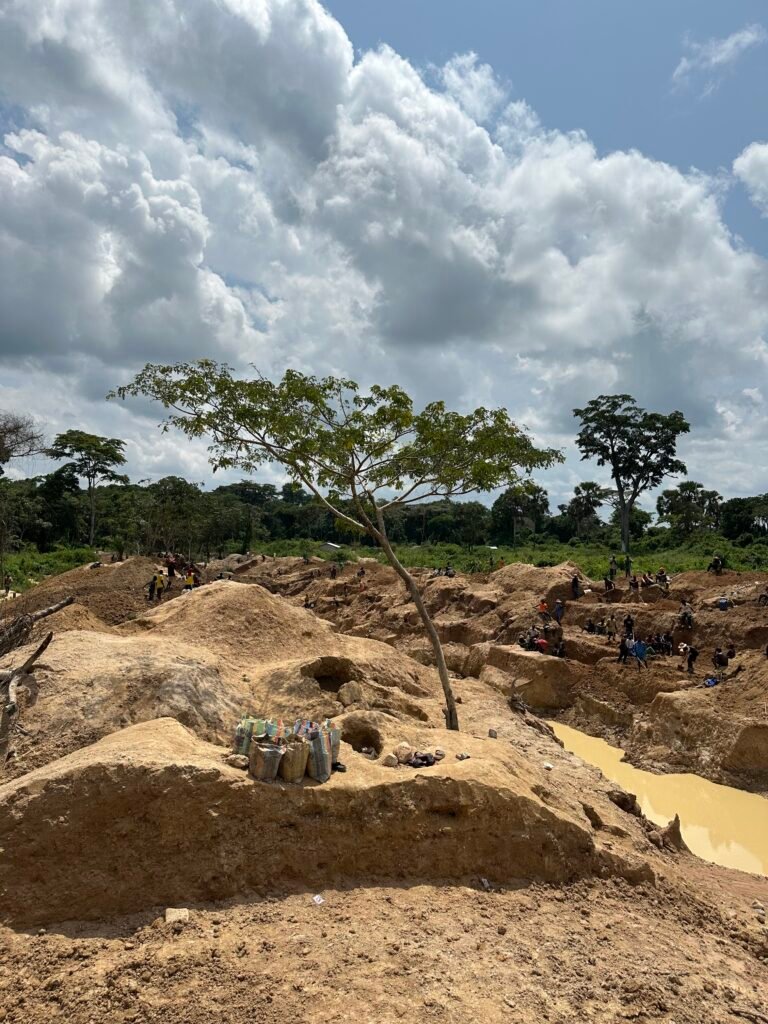
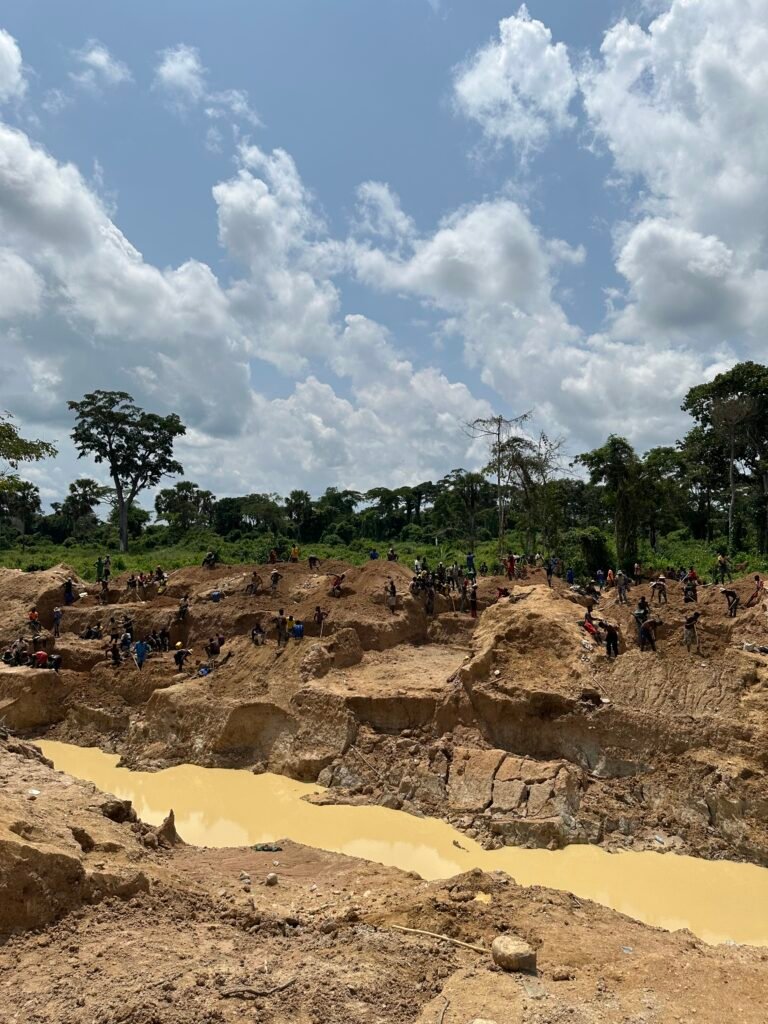
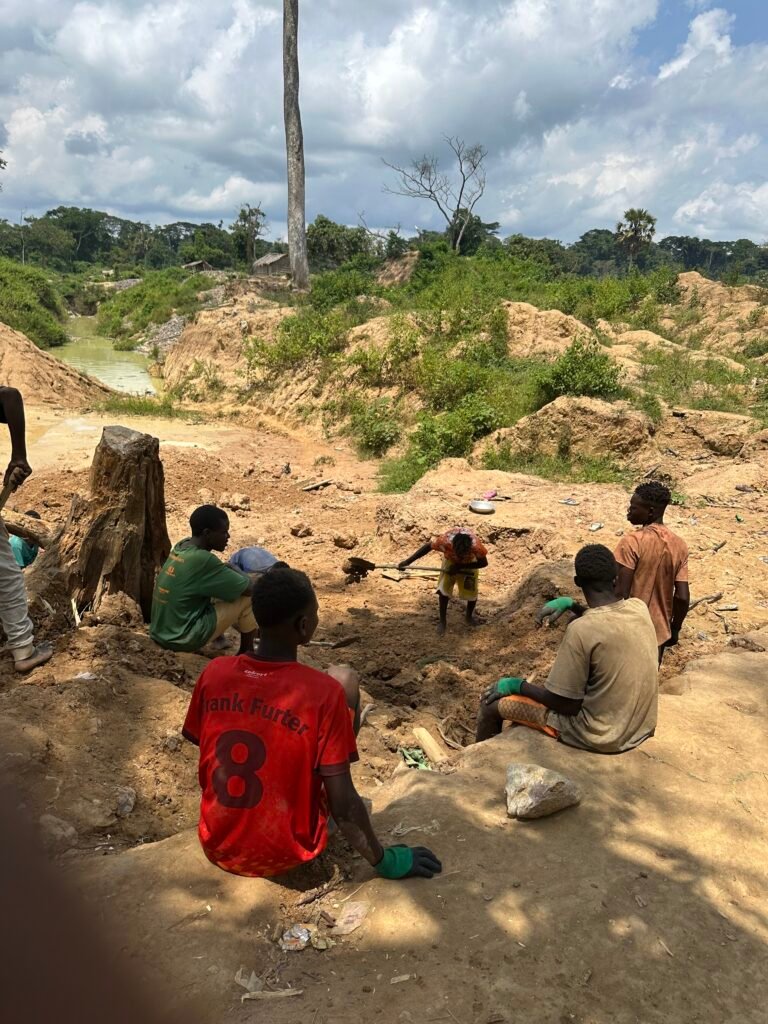
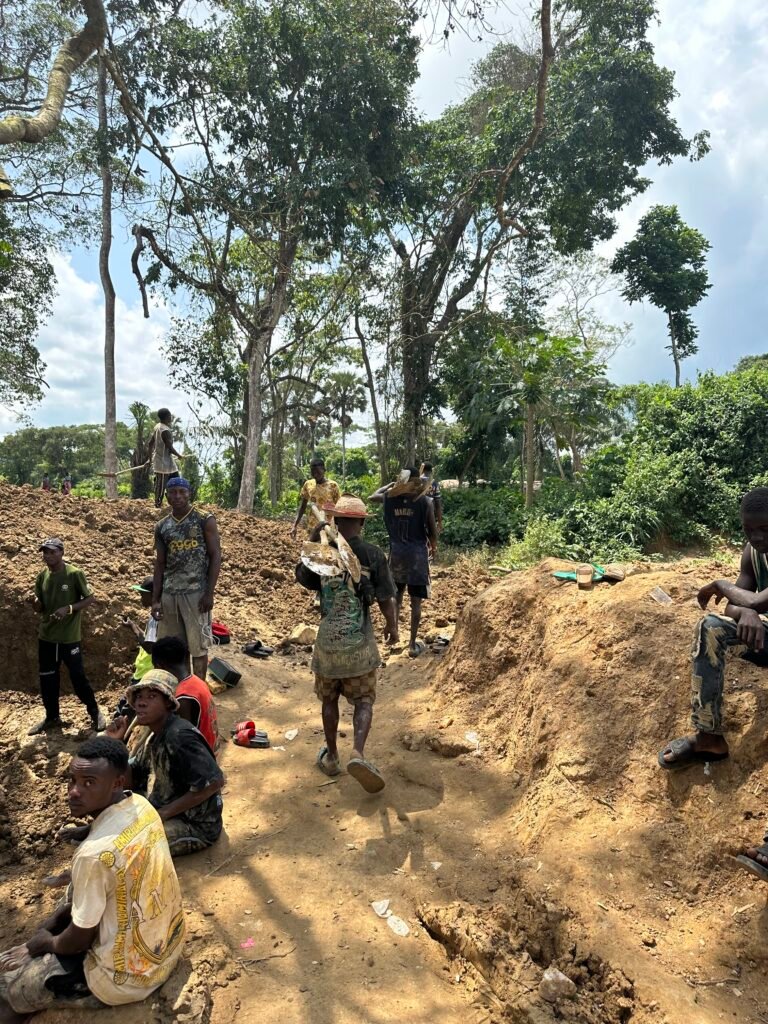
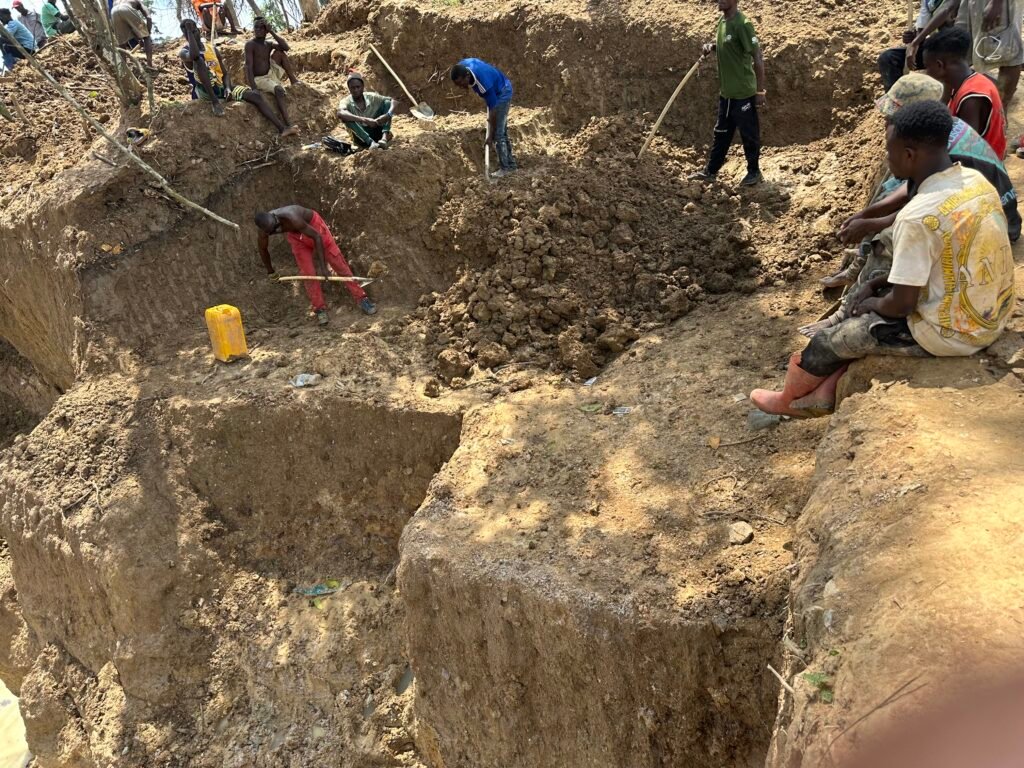
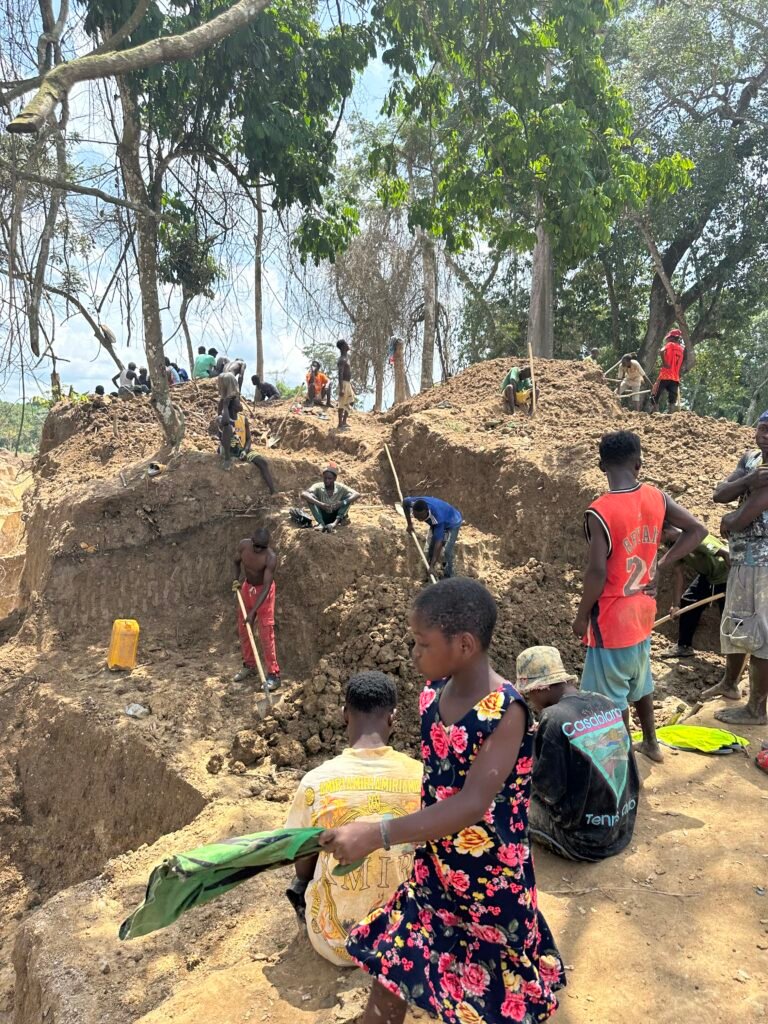
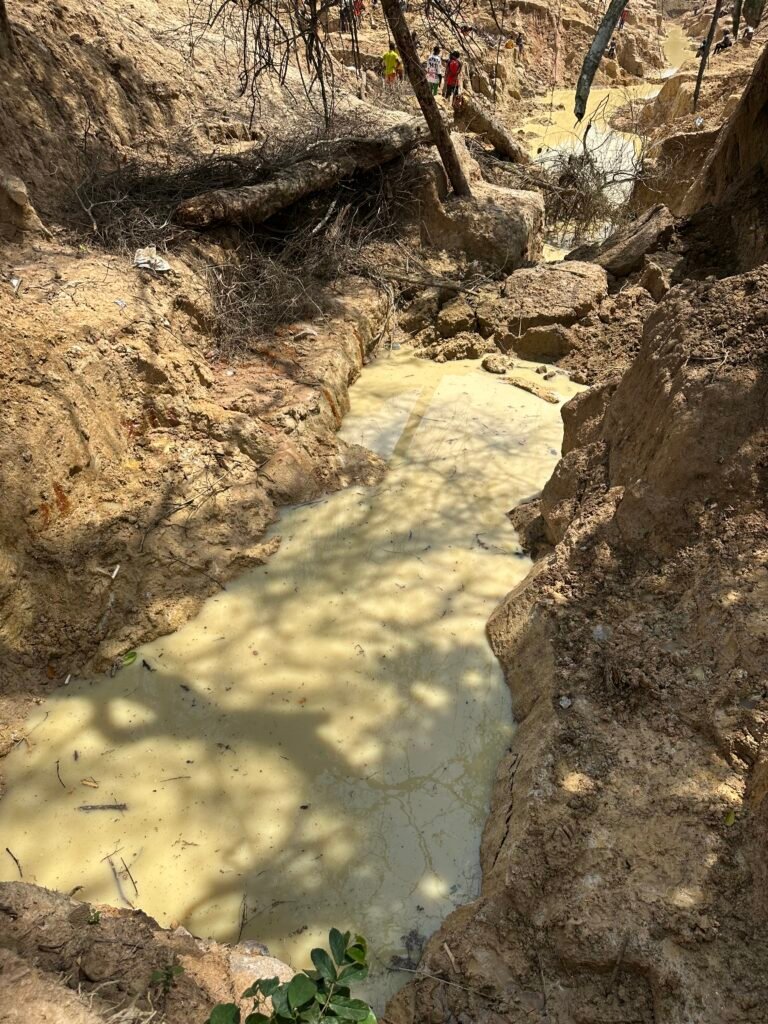
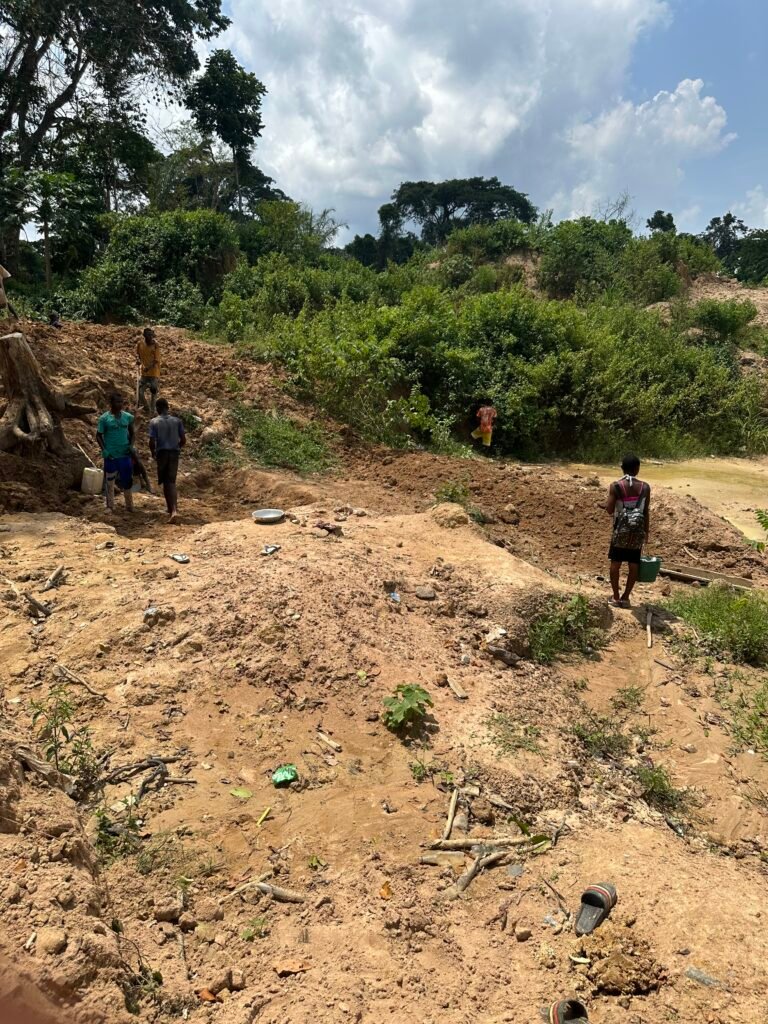
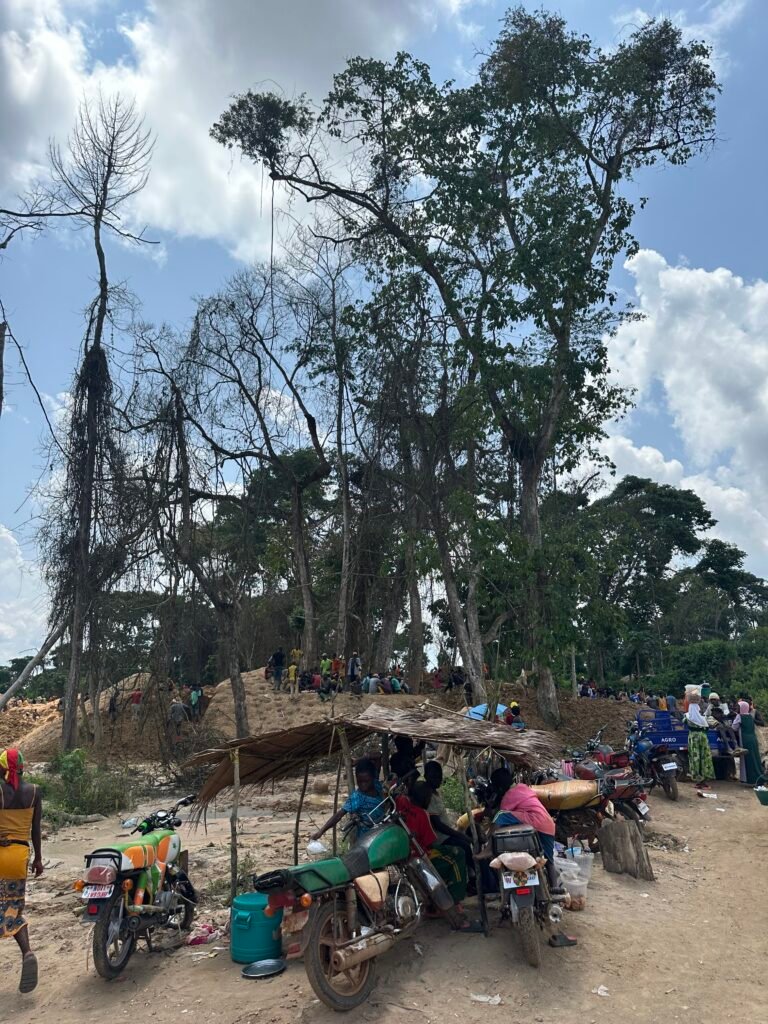
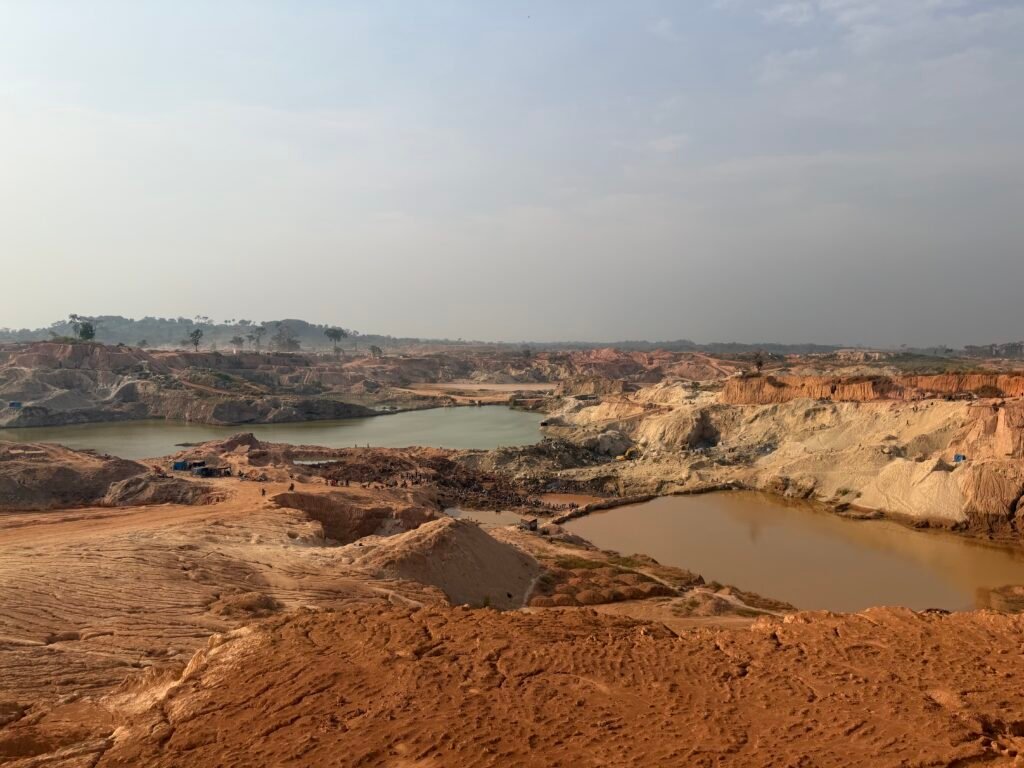
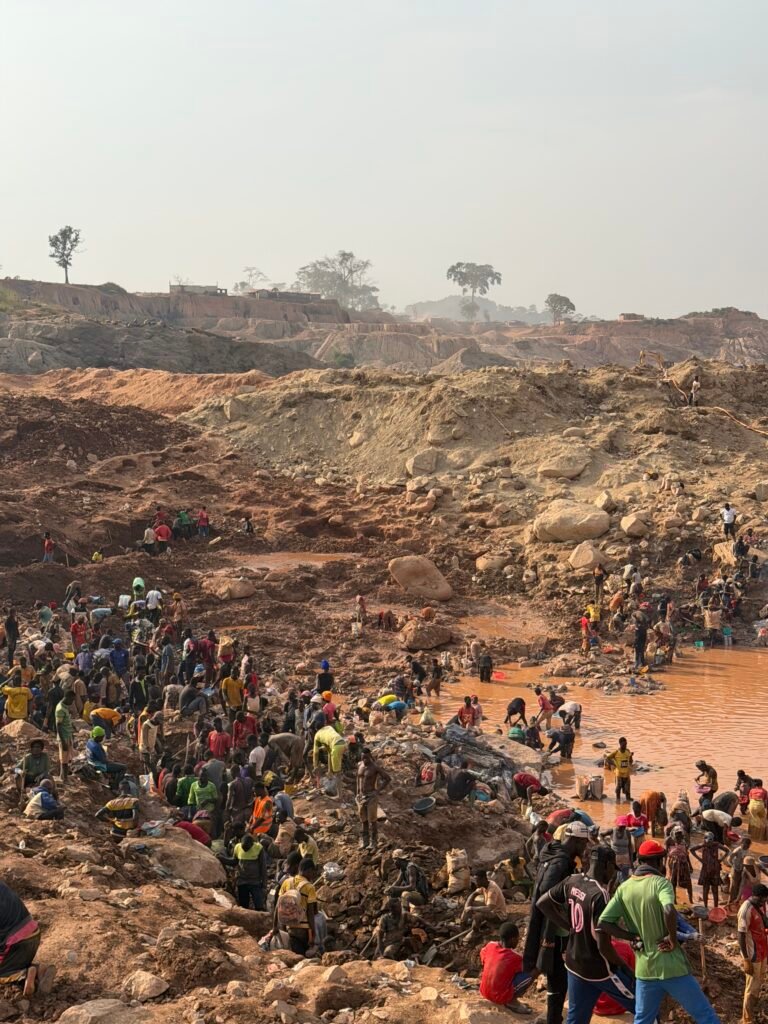
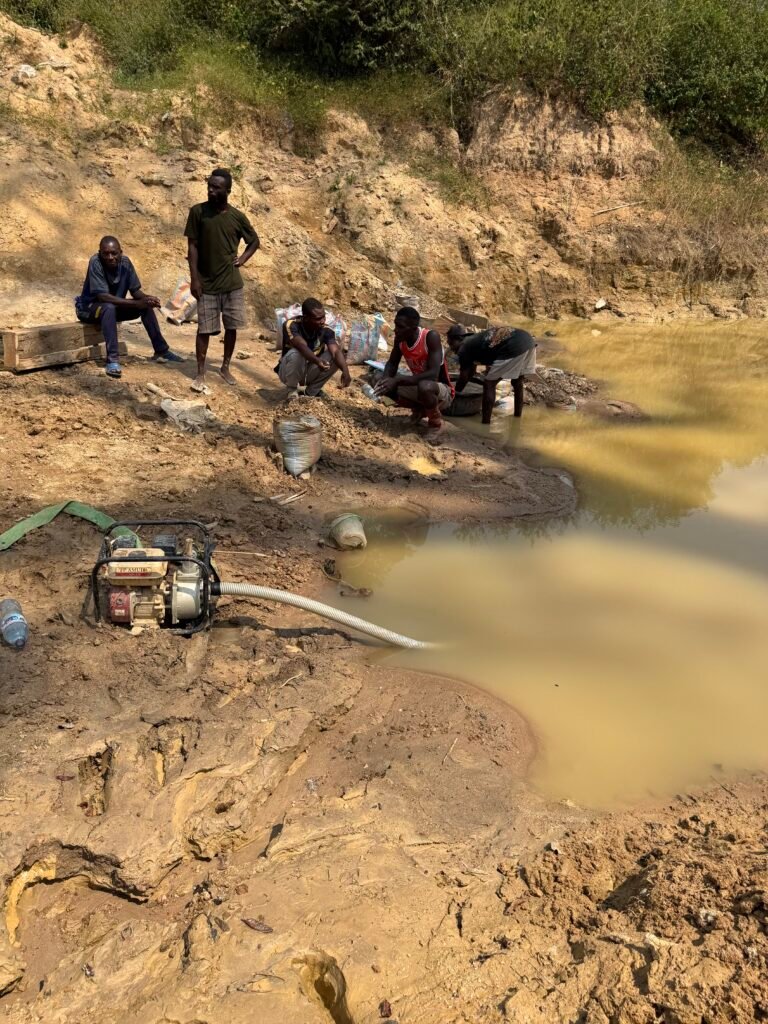
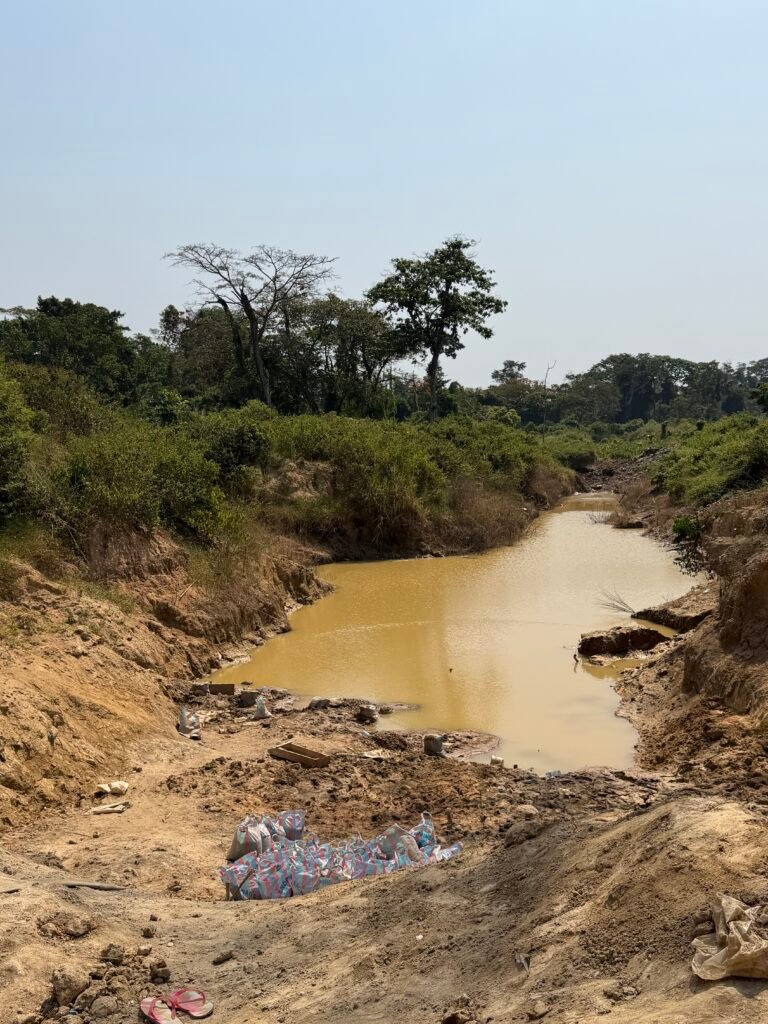
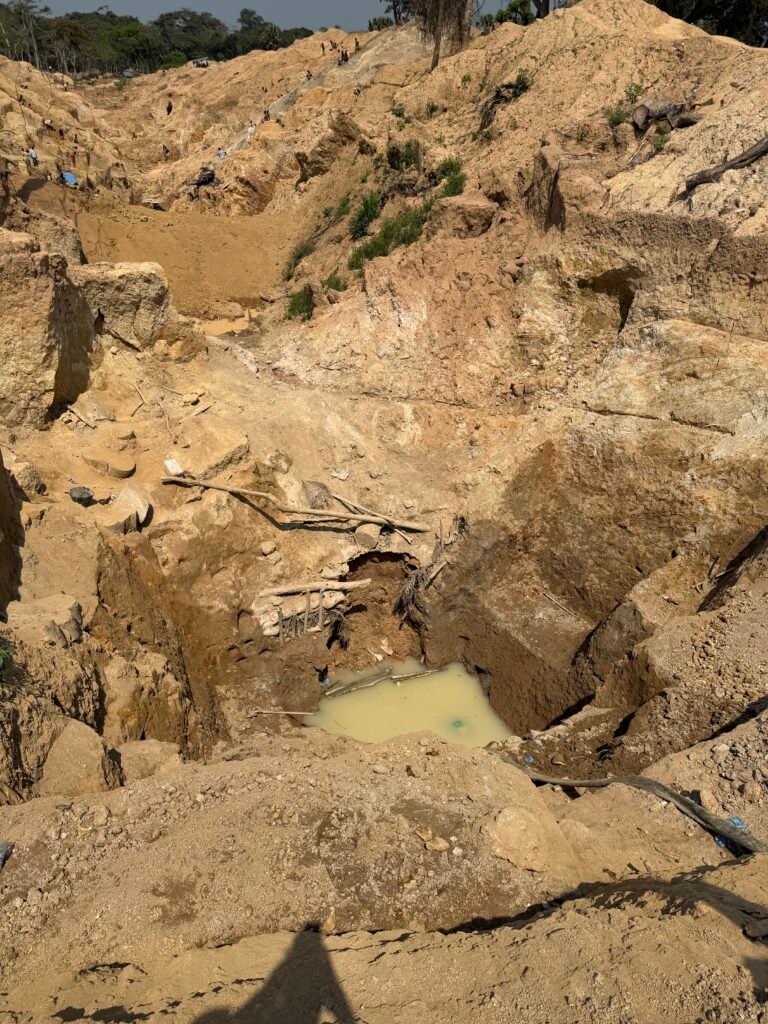
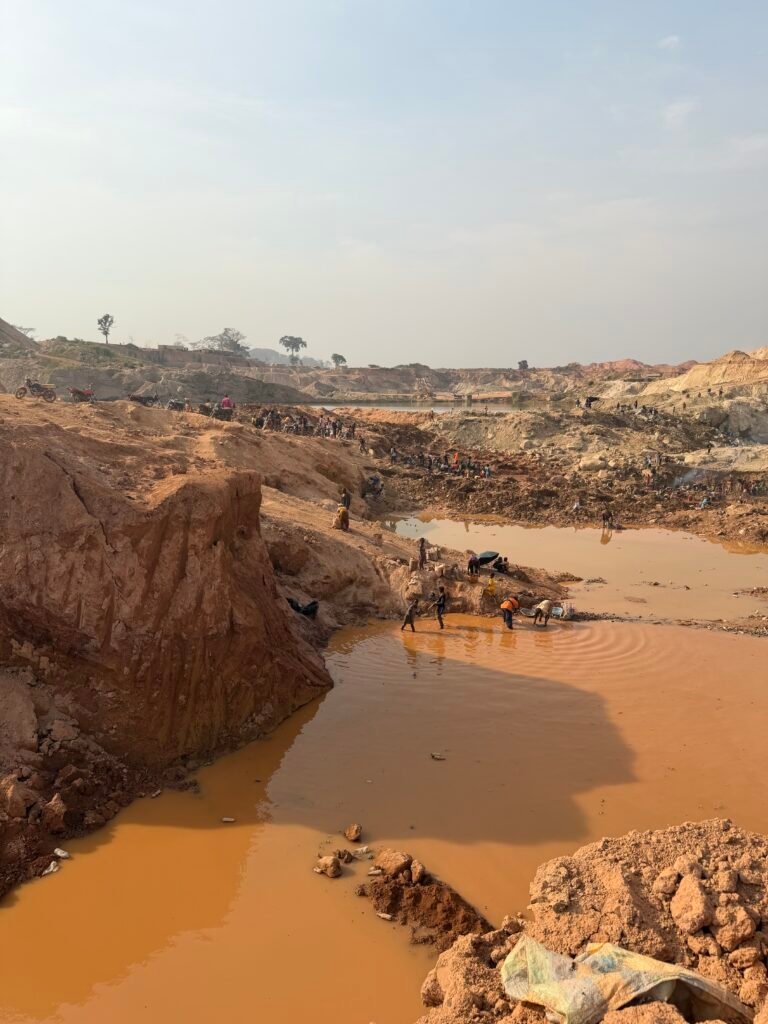
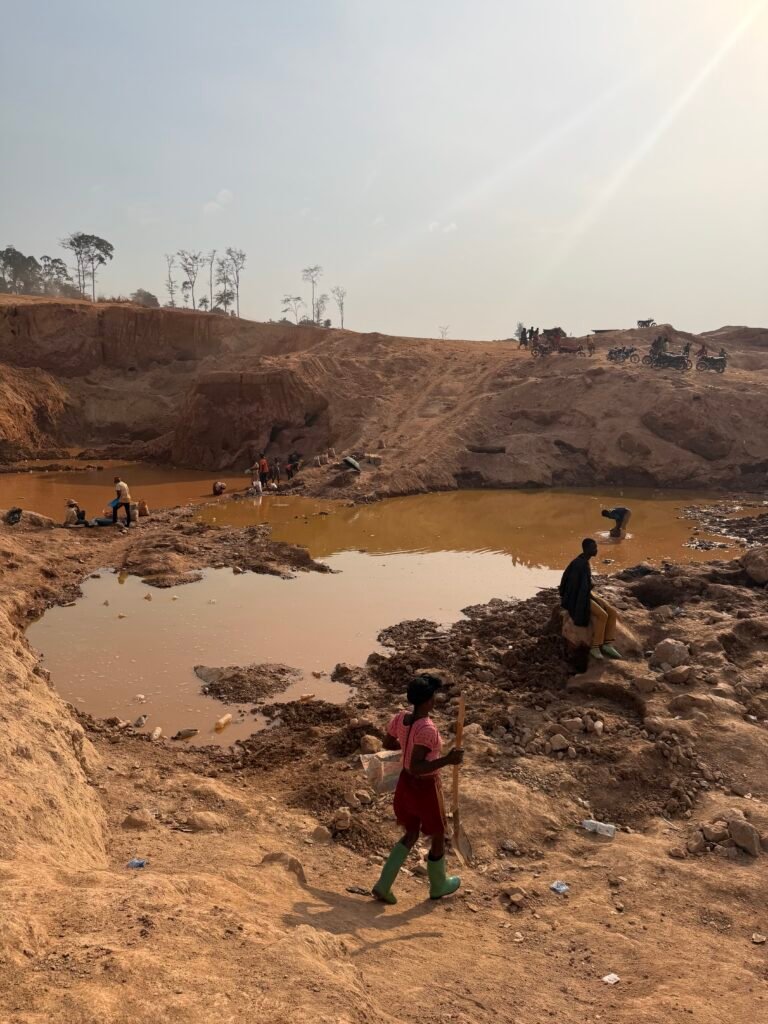
Before starting the interviews at the mining site, I made sure to respect each participant’s time and story. The miners have demanding schedules, so speaking with me meant taking time off work and losing income. I wanted them to feel that their involvement was important. To show my gratitude and encourage open conversation, I gave each person I interviewed about $20. This was simply a thank you for their time and the trust they placed in me by sharing their experiences, not a payment for their story.
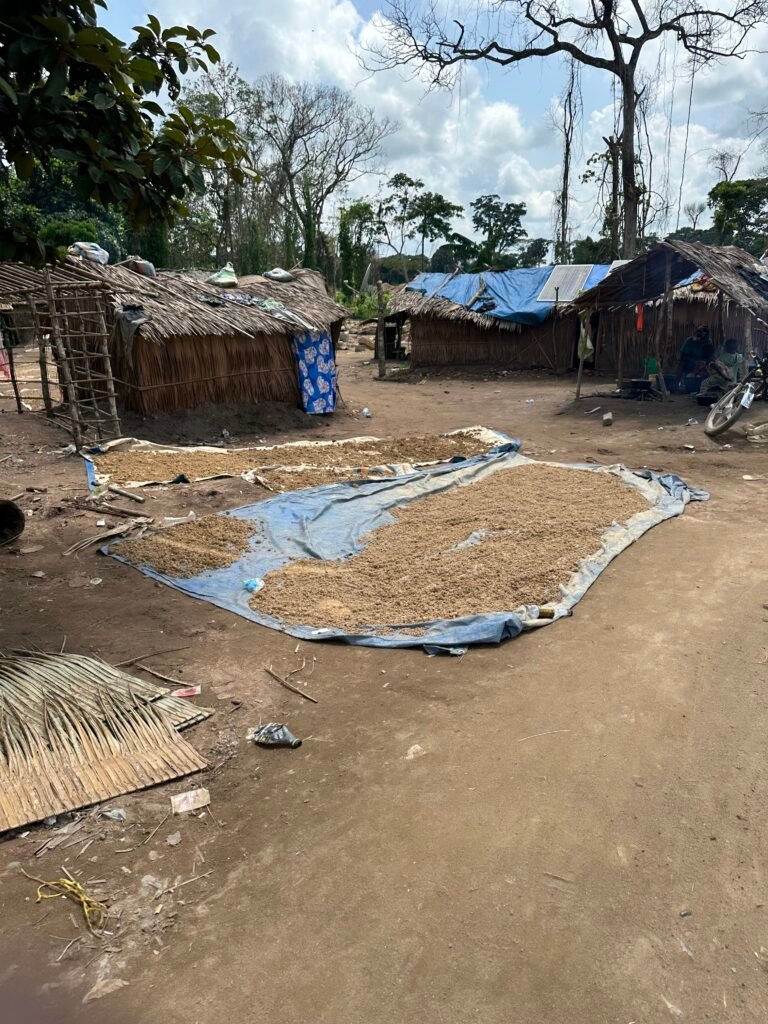
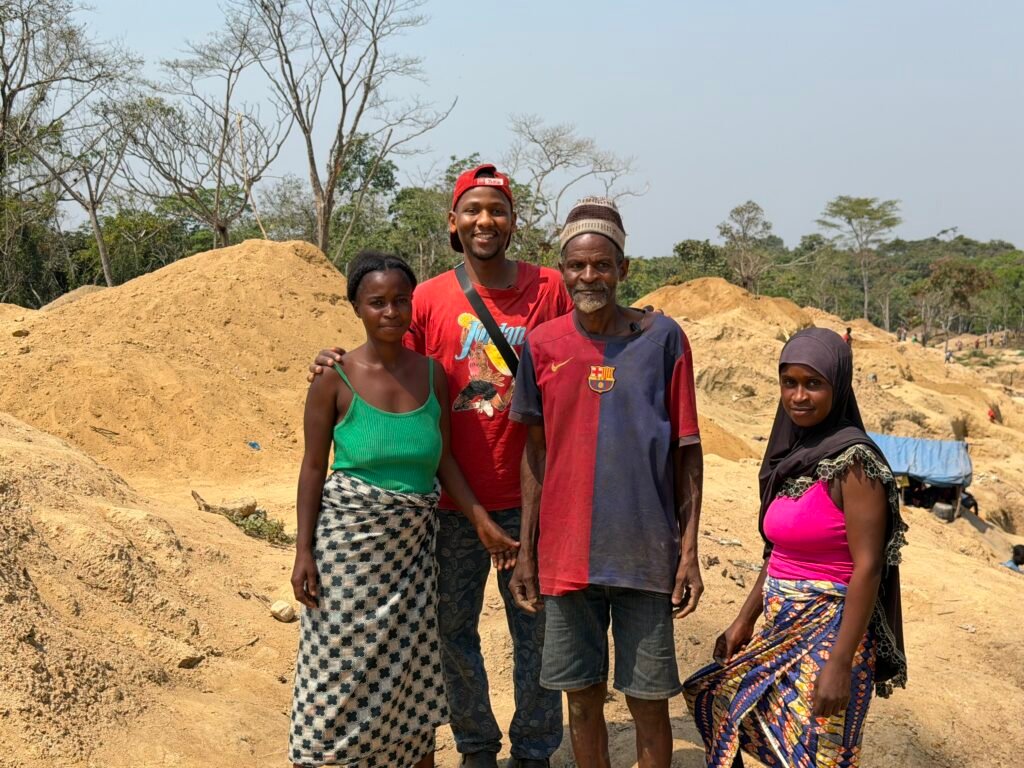
My personal connection to the region also helped build trust during the interviews. I grew up in Eastern Cameroon, close to the communities where these mines are located. Because of this, I speak the local languages and understand the culture and daily life of the people there. Some of the people I interviewed even remembered me from when I was younger, which made our conversations feel more relaxed and familiar. Instead of seeing me as an outsider, many participants saw me as someone who understood their situation and shared a similar background. This helped them feel comfortable opening up about their lives.
Language was also important during the interviews. Speaking the local language helped participants share their experiences in their own words. Still, there were times when I needed help with translation. For example, I interviewed a woman from the Central African Republic who spoke a dialect I did not fully understand. Luckily, a friend at the mining site who knew both languages helped us communicate. He translated my questions to her and her answers back to me. Thanks to his help, I was able to include her story in the project. Without his support, her experience might have been missed.
These experiences show that the research relied on cooperation, trust, and support from the community. The people at the mine were not just interview subjects; they also helped make sure conversations happened and that many voices were included. This supportive environment allowed participants to speak honestly about their struggles, hopes, and the tough choices they face.
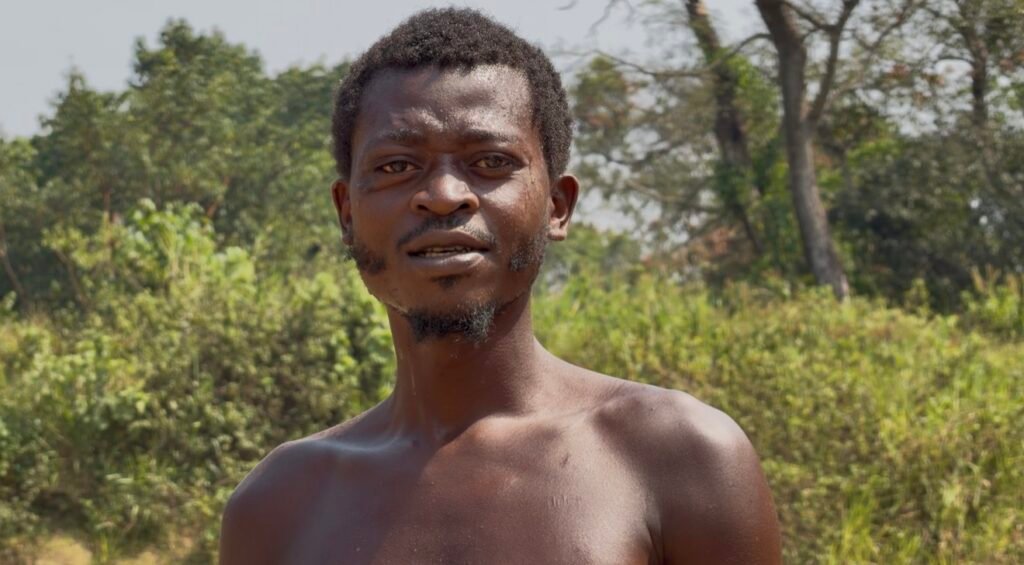
Because of this trust, I was able to gather honest and emotional stories from people whose voices are rarely heard outside their communities. These stories became the heart of my project. They show not only the hardships people face in the mines, but also their resilience as they try to support their families and get by in tough economic times.
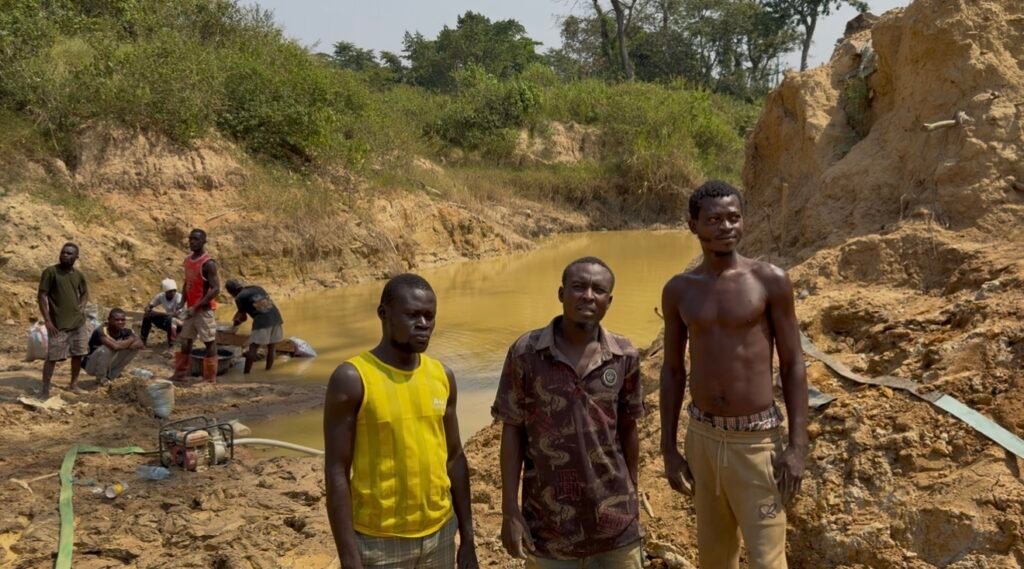
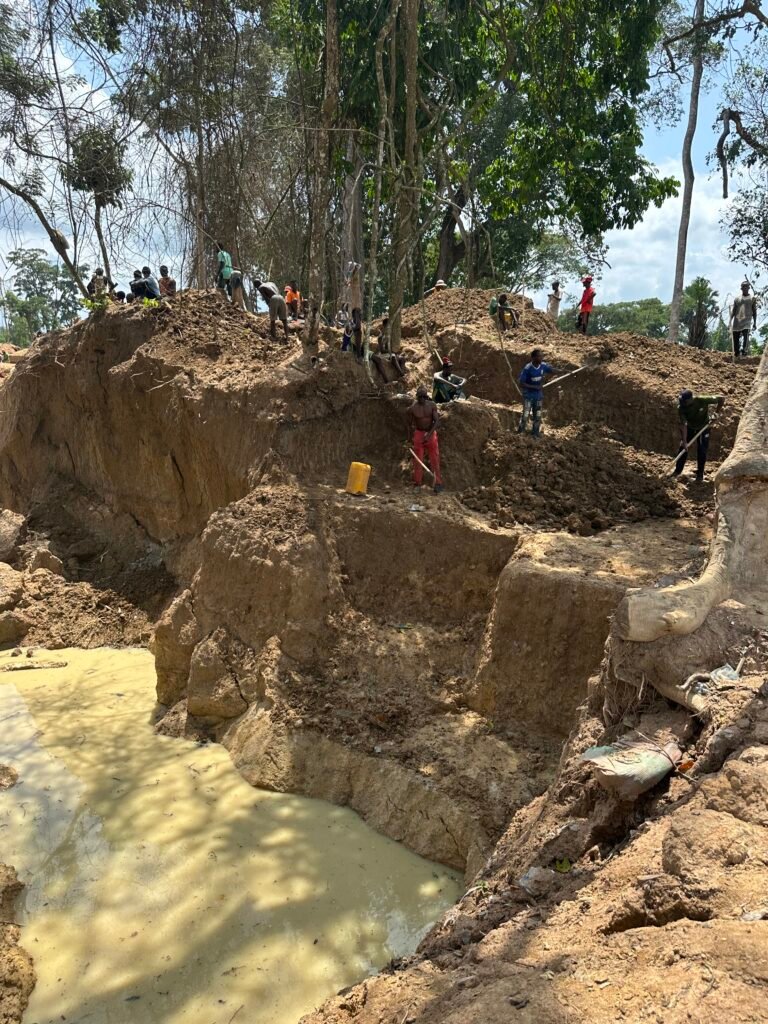
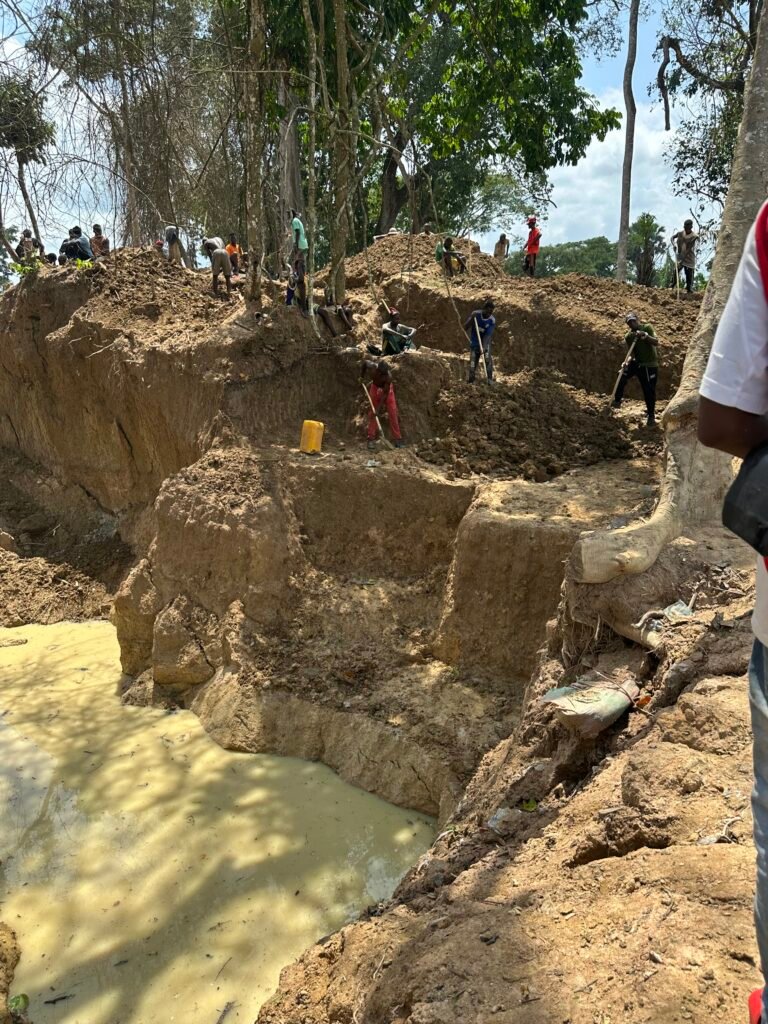
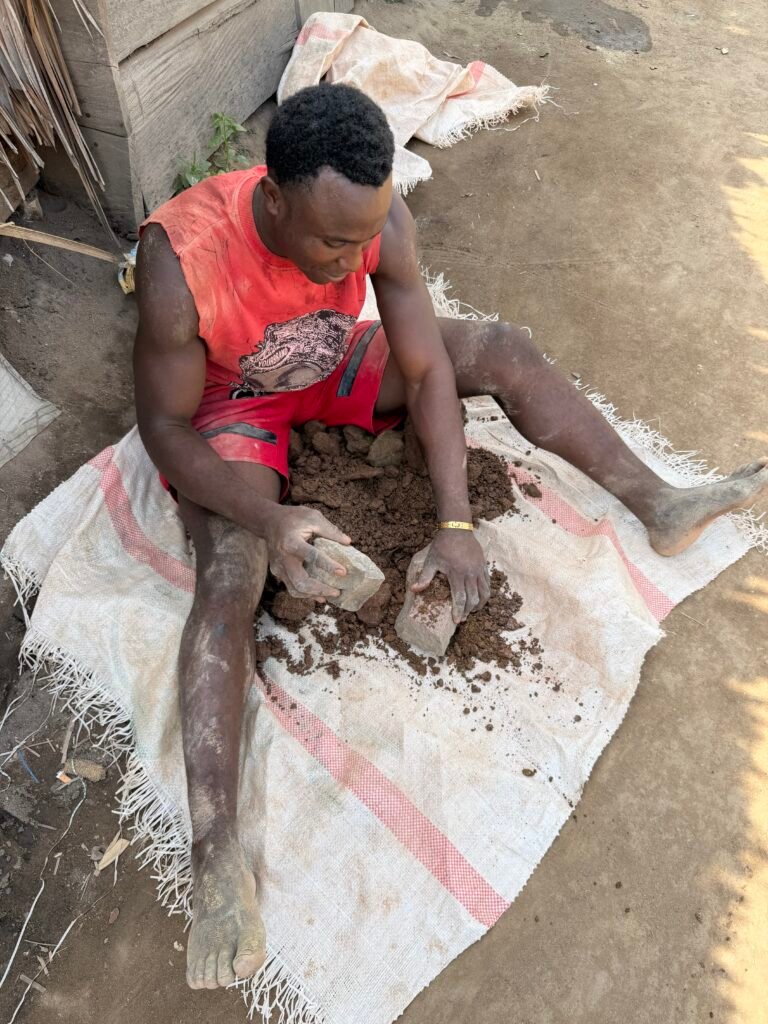
The video for this project brings together the interviews I recorded at the gold mining site for Youth Exploitation Watch. In the video, viewers hear directly from young people, adults, and elders who live and work near the mines. Each person talks about their daily life and the tough conditions they face. For example, one young worker shares that he sometimes uses drugs to stay awake during long shifts. Others talk about why they started working there, often mentioning poverty, family needs, or the lack of other job options.
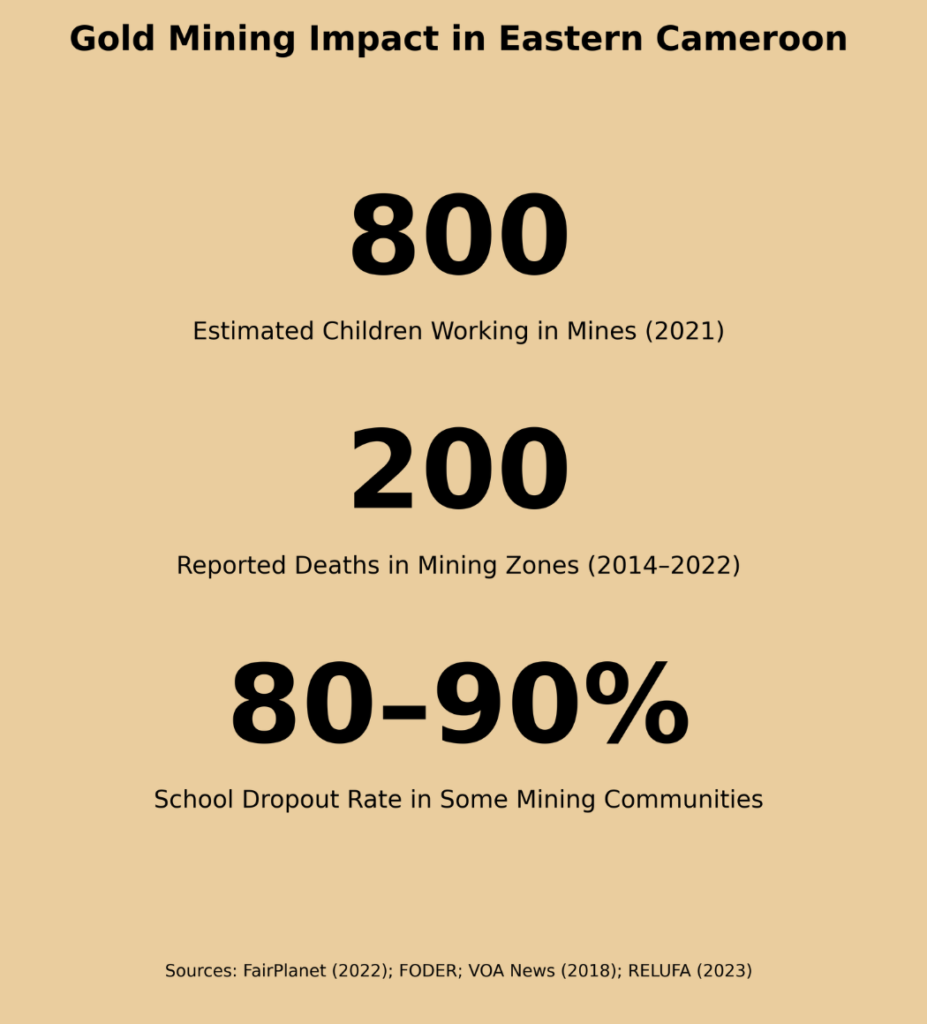
These stories help show what life in the mines is really like and how the working conditions affect young people and their futures. By sharing these voices, the project aims to bring attention to communities that are often overlooked and to raise awareness about the social and economic issues that push young people into dangerous jobs. Youth Exploitation Watch wants not only to document these realities but also to encourage more understanding and discussion about how communities, governments, and organizations can address the root causes of youth exploitation in mining areas.